
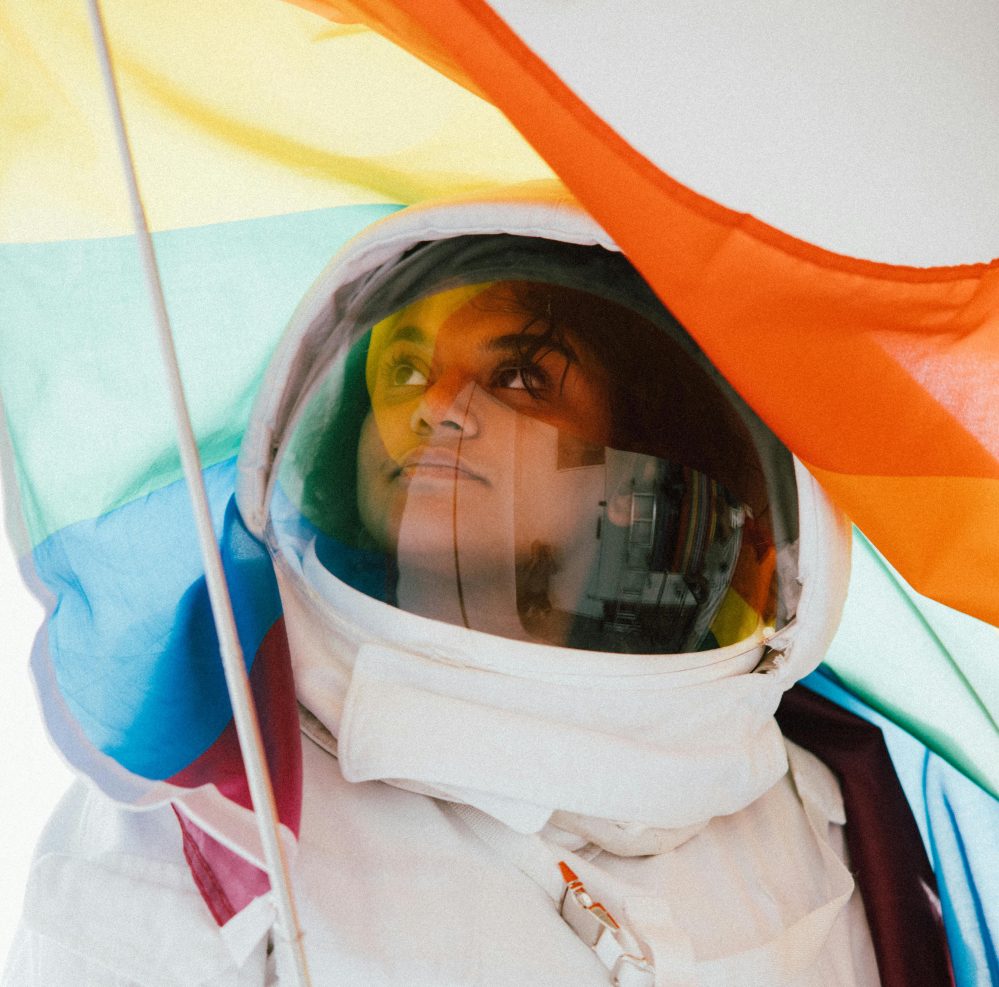
NASA has recently come under fire for its anti-LGBTQIA+ measures [Link]. In compliance with questionable executive orders by president Donald Trump, the U.S. agency ended initiatives that focused on diversity, equity and inclusion (DEI) and removed any information relating to these terms (such as DEI, accessibility, indigenous or women in leadership) from its websites. Additionally, there were controversies about whether NASA ordered its employees to remove any LGBTQIA+ symbols from their workspace.
No matter whether the latter is true or false, the recent change of course in the U.S. politics, and also in the NASA, is spreading worries and fear among the queer community and other minorities in the scientific environment. Historically, those minorities always had to fight for their recognition of their scientific discoveries, their safety and event their very right to exist.
The past few years seem to have brought at least some healing and progress, while yet a long way to go. Even in the aerospace industry and NASA itself, the contributions of its LGBTQIA+ employees began being celebrated. For instance, during Pride Month, the agency has honored the significant roles played by LGBTQIA+ individuals in advancing its mission.
With these horrifying recent actions, it’s essential to fight back and also to recognize the profound impact that LGBTQIA+ individuals have had on space exploration and research. So let’s take a look at a few especially notable and inspiring figures, both from the earlier days and current times:
Sally Ride

In 1983, Sally Ride became the first American woman in space – breaking barriers in a male-dominated field and inspiring generations of women in STEM.
Although she kept her personal life private during her career, it was later revealed that she was in a long-term same-sex relationship with children’s science writer Tam O’Shaughnessy, making her the first recognized LGBTQIA+ astronaut.
As a physicist and astronaut, she played a crucial role in NASA’s Challenger missions and later contributed to space policy and science education.
After leaving NASA, she founded Sally Ride Science, an organization dedicated to inspire young people in STEM and to promote STEM literacy. A big focus is of course highlighting women in this field.
Dr. Jane Rigby
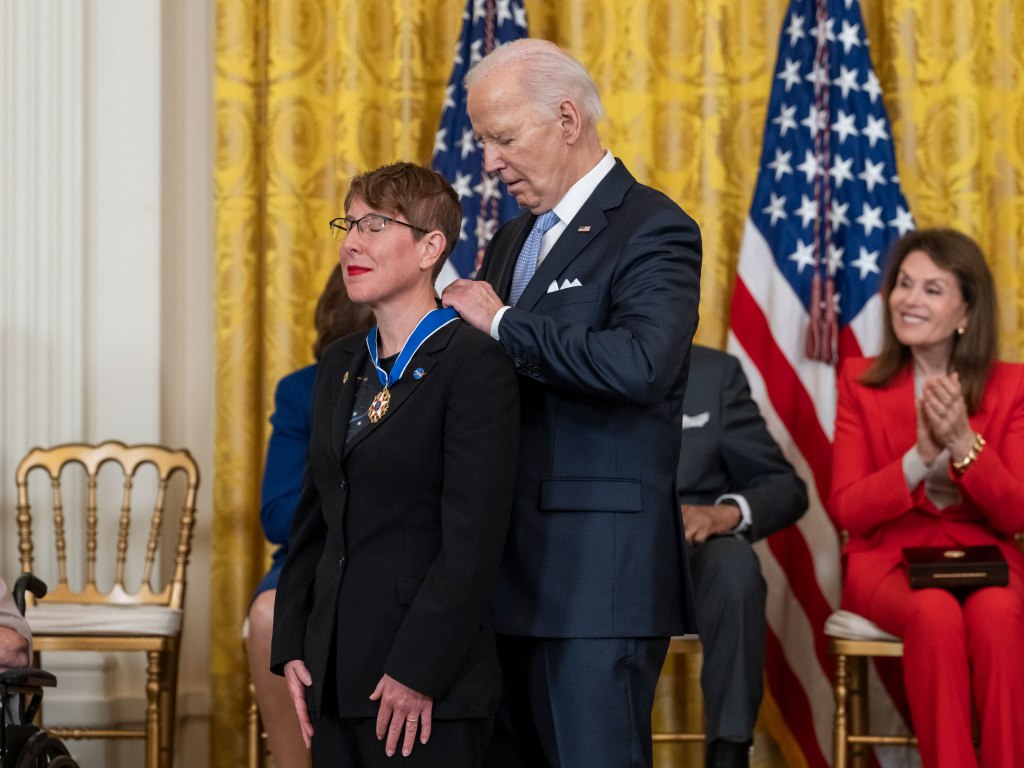
An astrophysicist at NASA’s Goddard Space Flight Center, Dr. Rigby serves as the Senior Project Scientist for the James Webb Space Telescope (JWST).
She has been instrumental in the development and deployment of JWST, which is poised to revolutionize our understanding of the universe. Dr. Rigby is openly lesbian and advocates for LGBTQIA+ inclusion in STEM fields. When she began graduate studies at the University of Arizona, if was still against state law to be gay.
Coincidally for this article, she was also inspired by Sally Ride to event start her journey, as stated in an interview with AAS.org [Link].
In 2024 Dr Rigby was awarded the Presidential Medal of Freedom by President Joe Biden, as pictured above.
Lynn Conway

Lynn Conway is a pioneering computer scientist and electrical engineer whose work revolutionized microchip design, laying the foundation for modern computing and aerospace technology.
In the 1960s, while working at IBM, she was secretly undergoing gender transition, but when her employer discovered she was transgender, she was fired and erased from company records. Despite this discrimination, Conway rebuilt her career from scratch, later developing VLSI (Very Large Scale Integration) technology, which became essential in computing, satellite systems, and space exploration. Her innovations transformed the industry, influencing everything from NASA’s computational models to modern electronics.
Today, she is celebrated not only for her groundbreaking work but also for her advocacy, inspiring transgender scientists and engineers to pursue their dreams despite systemic barriers. While she has not directly worked for NASA, Lynn Conway had a tremendous influence and should still be celebrated today.
James Barney Pollack
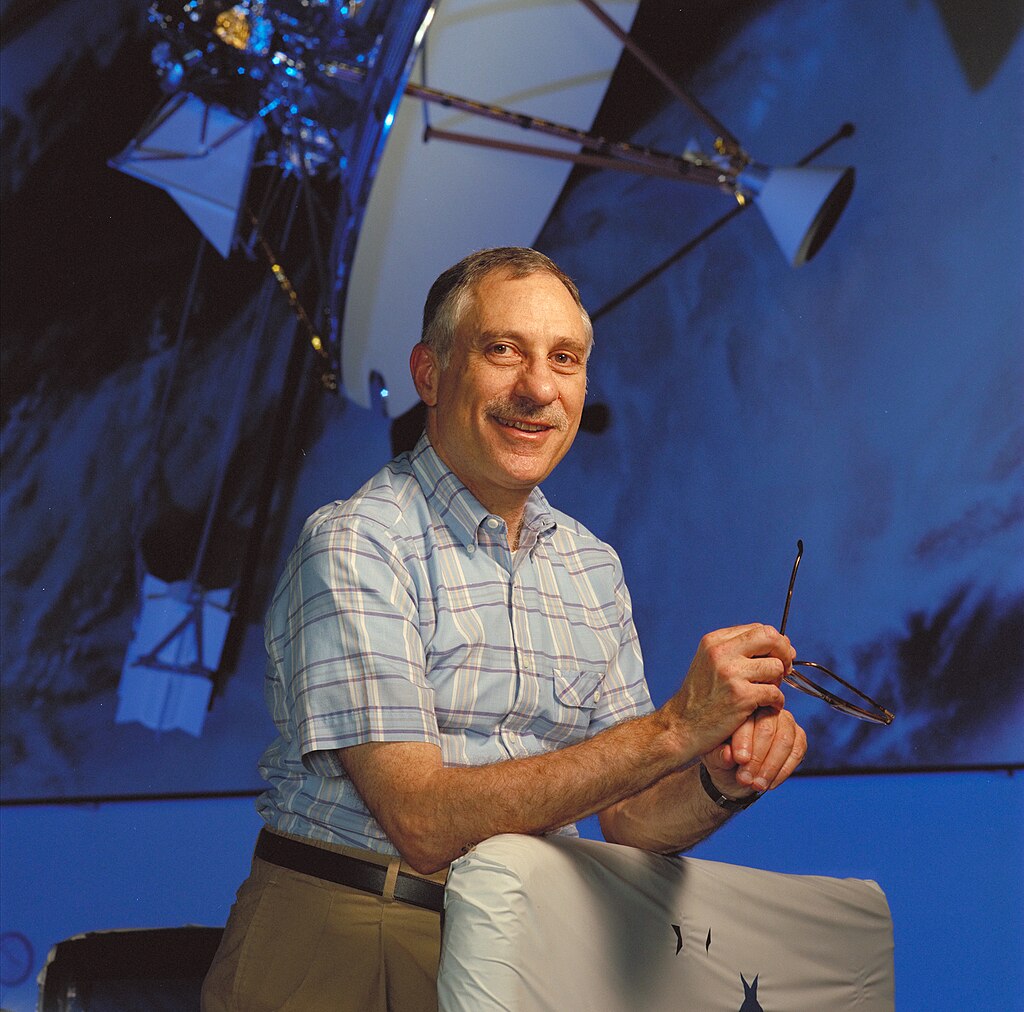
Dr. James Pollack was a brilliant planetary scientist and astrophysicist working for NASA’s Ames Research Center who made groundbreaking contributions to our understanding of planetary atmospheres.
He worked closely with Carl Sagan and played a key role in studying the climates of Mars, Venus, and Titan, helping shape NASA’s exploration strategies. Pollack was instrumental in developing climate models that influenced both space science and early research on global warming. His work on the formation of giant planets ( the so-called core accretion paradigm) is seen today as the standard model.
As an openly gay scientist, he navigated a field that was not always welcoming to LGBTQIA+ individuals, yet his work remained widely respected. A crater on Mars was named in his honor, the “Pollack Crater”.
Nergis Mavalvala
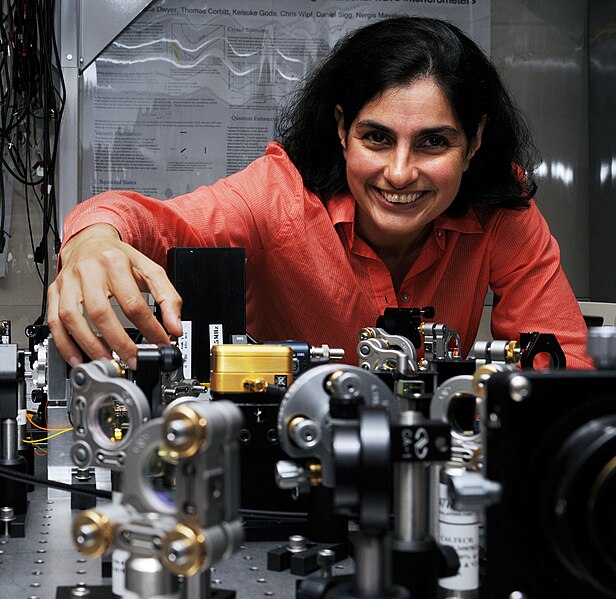
Nergis Mavalvala is a renowned Pakistani-American astrophysicist known for her pivotal contributions to the detection of gravitational waves. As a member of the team at LIGO (Laser Interferometer Gravitational-Wave Observatory), she played a key role in the groundbreaking discovery of gravitational waves in 2015, which confirmed a major prediction of Einstein’s theory of relativity.
She is the Curtis and Kathleen Marble Professor of Astrophysics at the Massachusetts Institute of Technology (MIT). Mavalvala is openly lesbian, making her one of the prominent LGBTQIA+ scientists in the field, and has been an advocate for diversity and inclusion in STEM.
Her work continues to inspire future generations of scientists, especially women and people of color, to pursue careers in physics and space research. In an interview with Dawn.com, she stated: “I grew up in a family where the stereotypical gender roles were not really observed. So I grew up thinking women can, must and should do anything and everything” [Link].
These five individuals exemplify the diverse contributions of LGBTQIA+ professionals in advancing our understanding of space and promoting inclusivity within the scientific community. And these are only five examples – and only about the queer community. With the purge of DEI initiatives, one can only look at the numerous women, people of colour and geniuses in history and current days that werein any way discriminated against. Their brilliance and contributions can never be taken away, no matter what measures will be installed. We will not let these heroic pioneers be forgotten, and we will not let the current frontier be attacked without any resistance.
 M16 Nebula

Leave a comment