

If you are looking for an idea for a new collection that scratches the itch of chemistry and astronomy alike – get the essence of our solar system!
Each celestial object is made out of different materials, but usually there is one element or material in particular that entails the very nature of that object. Mars is known for its rusty colour since it is iron oxide, Saturn is known for its icy rings and the moon for its special granites.
Let’s take a look at the signature elements and minerals of our solar system and how to obtain a sample!
MERCURY
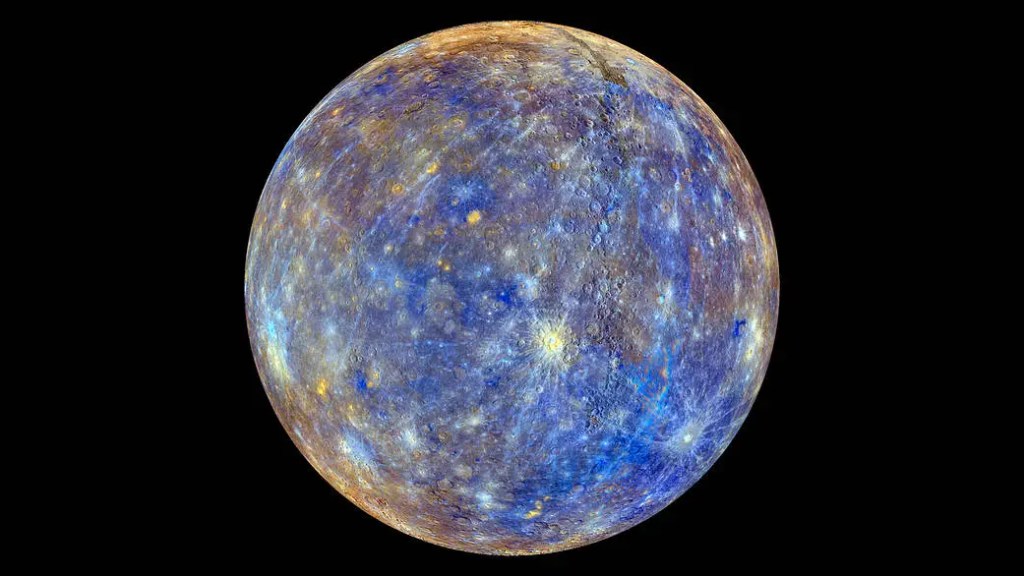
- Known for: Metallic Iron
- Details: It sounds ironic, but there isn’t really mercury on the planet Mercury. However, Mercury has a large iron core, making it the most iron-rich planet in the solar system by percentage. Its thin crust contains silicates, but the iron core defines much of its composition.
- Difficulty to obtain: Easy. Iron metal can be purchased in various shapes or forms. Store in a dry place to avoid rusting.
- Price: $10-$20 for a small sample.
VENUS
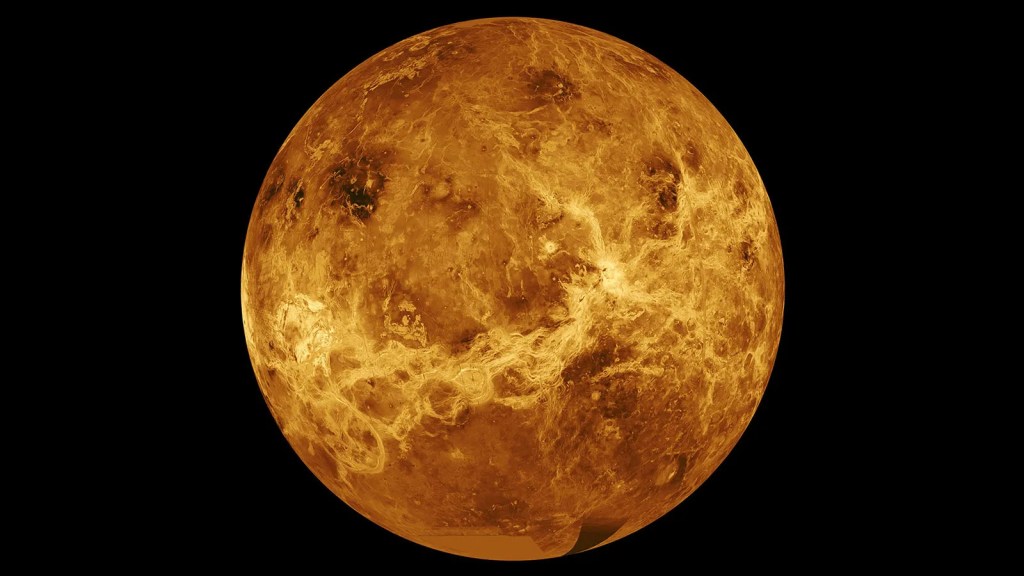
- Known for: Sulfuric Acid Clouds
- Details: Venus is shrouded in thick clouds of sulfuric acid, which form as sulfur dioxide reacts with water vapor in the atmosphere. This contributes to its extreme greenhouse effect. There used to be hopes of a flourishing paradise waiting underneath these clouds, until we managed to get a look beneath and faced the life-hostile reality.
- Difficulty to obtain: Medium. Sulfuric acid is available from chemical suppliers (with proper credentials). Must be stored in a corrosive-resistant container, away from moisture and metals.
- Price: $20-$40 for a small bottle (diluted).
EARTH
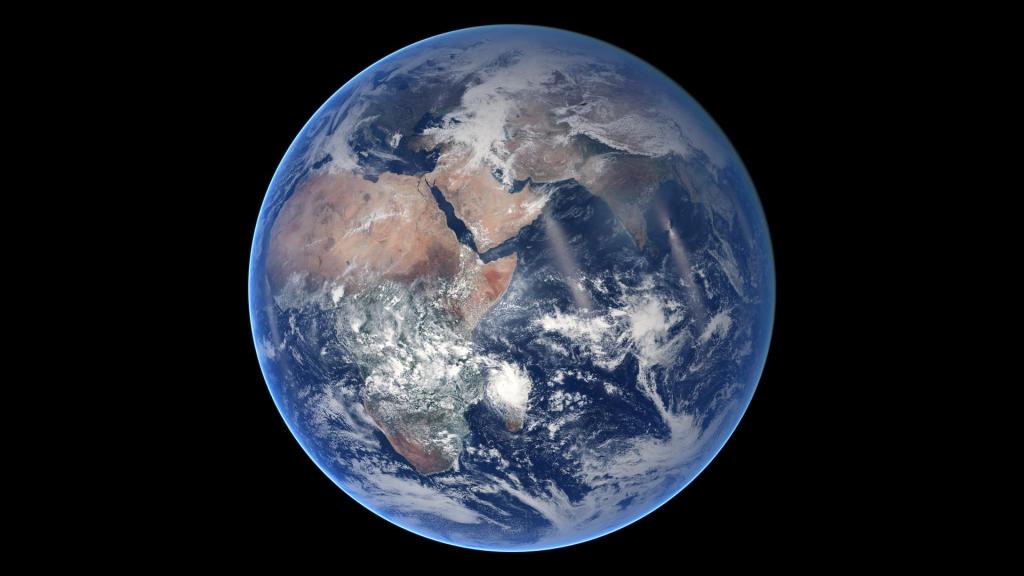
Source: NASA
- Known for: Silicates and Water
- Details: Earth is the “water planet,” with vast oceans covering its surface. Its crust is rich in silicate minerals, like quartz and feldspar, which are composed primarily of silicon and oxygen.
- Difficulty to obtain: Easy. Quartz crystals can be found at rock shops or online. No special storage required; keep in a display case or similar. I trust you on knowing how to get water.
- Price: $5-$20 depending on size and quality.
MARS

- Known for: Iron Oxide (Rust)
- Details: Mars is famously known as the “Red Planet” due to its surface being covered with iron oxide, or rust, giving it a reddish appearance.
- Difficulty to obtain: Easy. Iron oxide powder can be purchased from art stores or chemical suppliers. Store in a dry place to avoid further oxidation.
- Price: $5-$15 for a small quantity.
JUPITER

- Known for: Hydrogen and Helium
- Details: Jupiter is a gas giant, primarily composed of hydrogen and helium. It also has trace amounts of other elements, but hydrogen dominates its composition. Unlike the Sun, Jupiter does not have enough mass to trigger nuclear fusion, so its hydrogen and helium remain in a gaseous and sometimes liquid state (at deeper layers).
- Difficulty to obtain: Medium. There are hydrogen gas cylinders from chemical suppliers, they are to be stored as pressurized gas cylinder in a well-ventilated area. Helium can be purchased from gas suppliers or party stores, typically in disposable or refillable cylinders.
- Price: $10-$50 for a small cylinder of Hydrogen. $30-$50 for small, disposable tanks of Helium.
SATURN

- Known for: Icy Ring System
- Details: Saturn’s rings are primarily composed of ice particles, with a smaller amount of rocky debris and dust. The planet itself, like Jupiter, is mostly hydrogen and helium.
- Difficulty to obtain: Easy. Just frozen water.
- Price: $0
URANUS
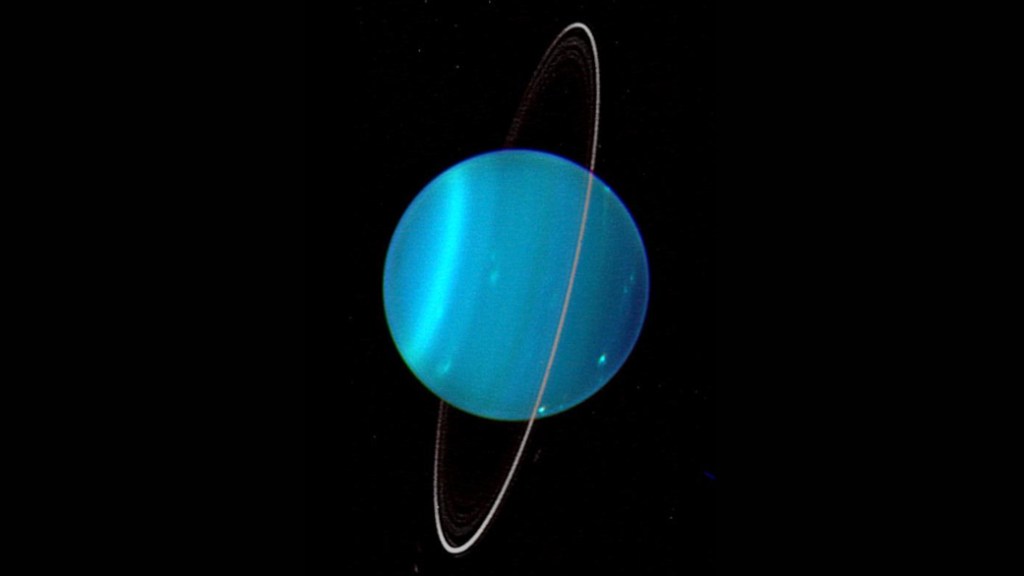
- Known for: Methane
- Details: Uranus’ atmosphere contains methane, which absorbs red light and gives the planet its characteristic blue-green colour. It’s also rich in hydrogen and helium.
- Difficulty to obtain: Medium: Methane cylinders from gas suppliers, store in a cool, well-ventilated area.
- Price: $10-$30 for a small cylinder.
NEPTUNE
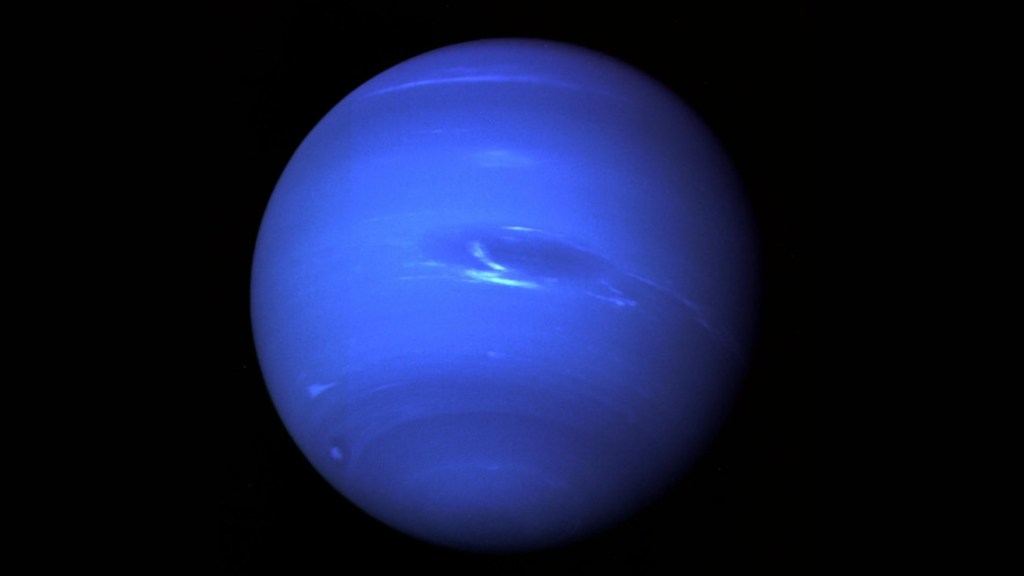
- Known for: Methane
- Details: Uranus and Neptune are often referred to as “ice giants” due to their distinct compositions compared to the “gas giants” (Jupiter and Saturn). They are very similar and also actually have a similar colour, with Neptune’s signature dark blue not being true to life but exaggerated for us to differentiate more easily. Therefore, they are also composed of similar materials. Uranus is known for its tilted axis and Neptune for its storms though.
- Difficulty to obtain: Medium: Methane cylinders from gas suppliers, store in a cool, well-ventilated area.
- Price: $10-$30 for a small cylinder.
PLUTO
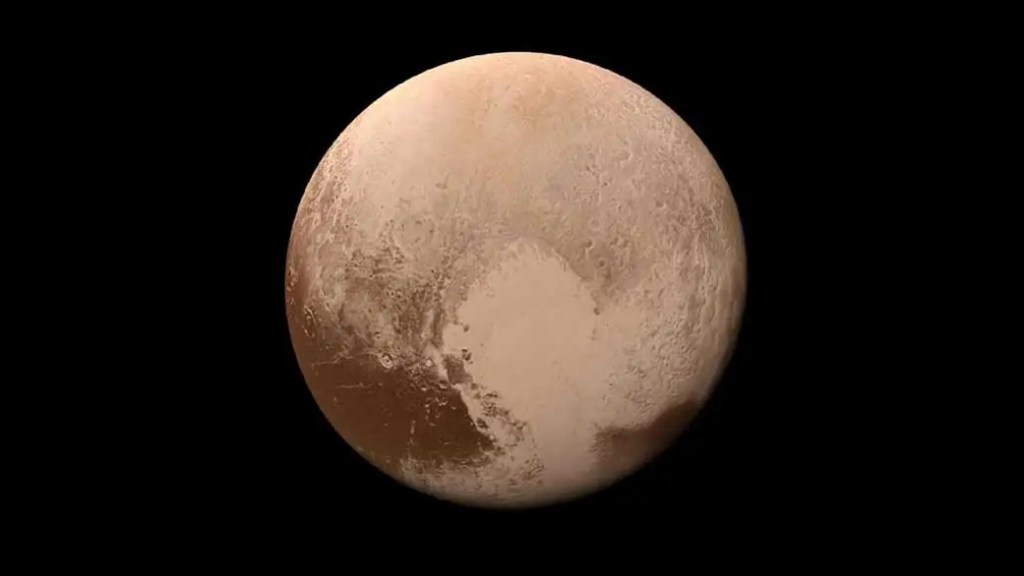
- Known for: Nitrogen Ice
- Details: Pluto’s surface is covered with nitrogen ice, along with traces of methane and carbon monoxide ice. This creates a bright, reflective surface with regions of differing colours.
- Difficulty to obtain: Hard. Liquid nitrogen from scientific suppliers. Requires specialized Dewar flasks to store safely at cryogenic temperatures.
- Price: $1-$2 per liter, usually sold in larger quantities.
SUN
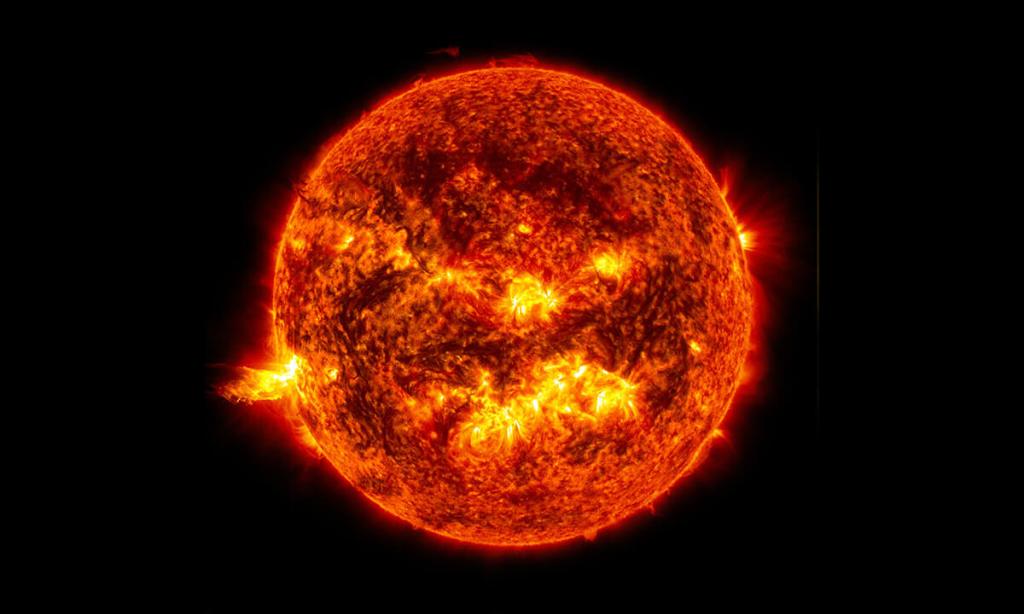
- Known for: Hydrogen and Helium
- Details: The Sun is predominantly composed of hydrogen (about 74%) and helium (about 24%). The Sun’s core fuses hydrogen atoms into helium, releasing vast amounts of energy in the process. This energy radiates outwards and powers the solar system.
- Difficulty to obtain: Medium. There are hydrogen gas cylinders from chemical suppliers, they are to be stored as pressurized gas cylinder in a well-ventilated area. Helium can be purchased from gas suppliers or party stores, typically in disposable or refillable cylinders.
- Price: $10-$50 for a small cylinder of Hydrogen. $30-$50 for small, disposable tanks of Helium.
MOON
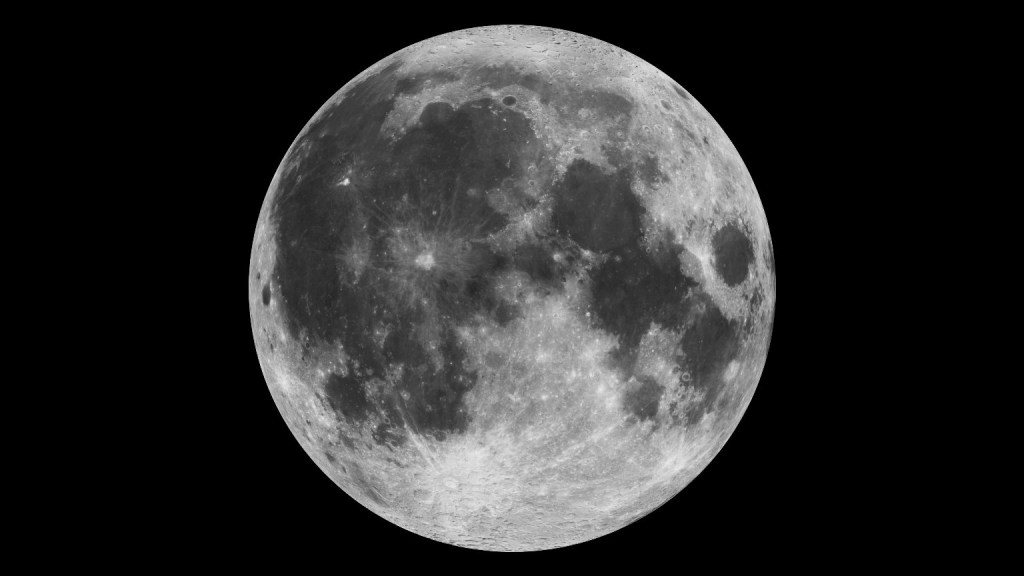
- Known for: Anorthosite (Calcium-rich Feldspar)
- Details: The Moon’s highlands are primarily composed of anorthosite, a type of igneous rock rich in calcium and aluminium. This gives the Moon’s surface its bright, reflective quality.
- Difficulty to obtain: Medium. Available from rock and mineral shops, sometimes labelled as “lunar simulant.” You can also purchase actual rock samples from the moon’s surface, which you can read in our guide here.
- Price: $10-$30 for a small sample.
 M16 Nebula
Leave a comment