
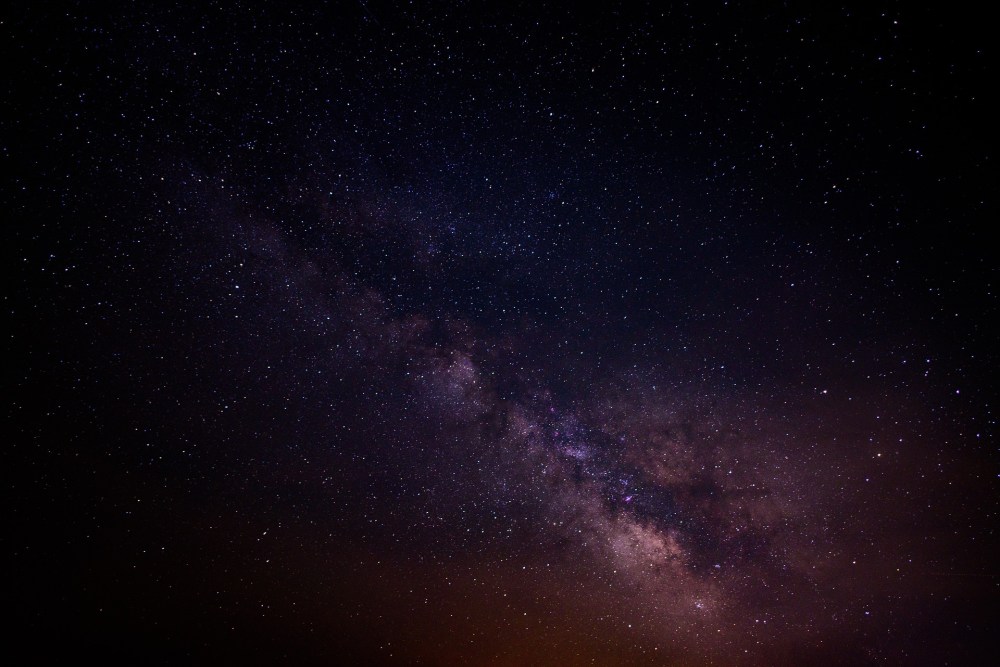
Watching the night sky is simple yet beautiful. To make your experience even more successful, prepare with these seven tips!
1. Find your personal marker in the sky
Sometimes you might look for constellations and points of references and they don’t make sense at all to you. These stars don’t look like a bear at all! Look into the sky with not goal at all and just see if there is any pattern that stands out to you – just to you personally. For example, my boyfriend noticed some stars that look like a question mark to him together. I don’t really see it. I noticed some stars that form a zig-zag to me. He didn’t really see them. (Turns out, they’re Cassiopeia!). But they stand out to me, and every time I step outside and look in the sky, I will notice my zigzag immediately and can orient myself.
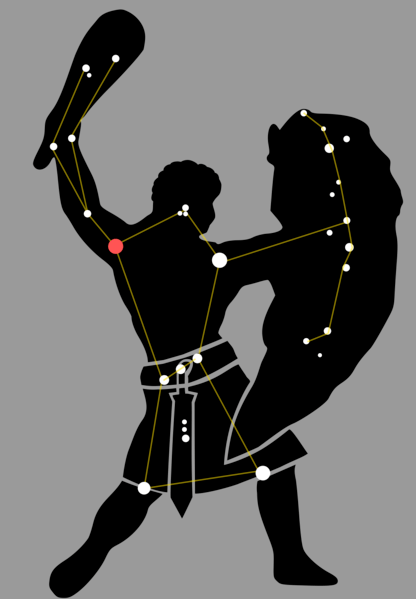
You can choose something random or something that is an official part of a constellation. Orion’s Belt is a good marker for example. Just create your own connection that you can always find again.

2. Understand the night sky basics and start with the naked eye
Don’t go out without a plan but think about what you want to see. Start simple and learn the major (the brightest) stars such as Sirius, Betelgeuse, and Polaris (the North Star).
Also know the Ecliptic Path: The Sun, Moon, and planets all follow a path across the sky called the ecliptic. Knowing this can help you locate planets.
Learn the Constellations: Some of the major constellations are Orion, Ursa Major, and Cassiopeia. This will help you navigate the night sky.
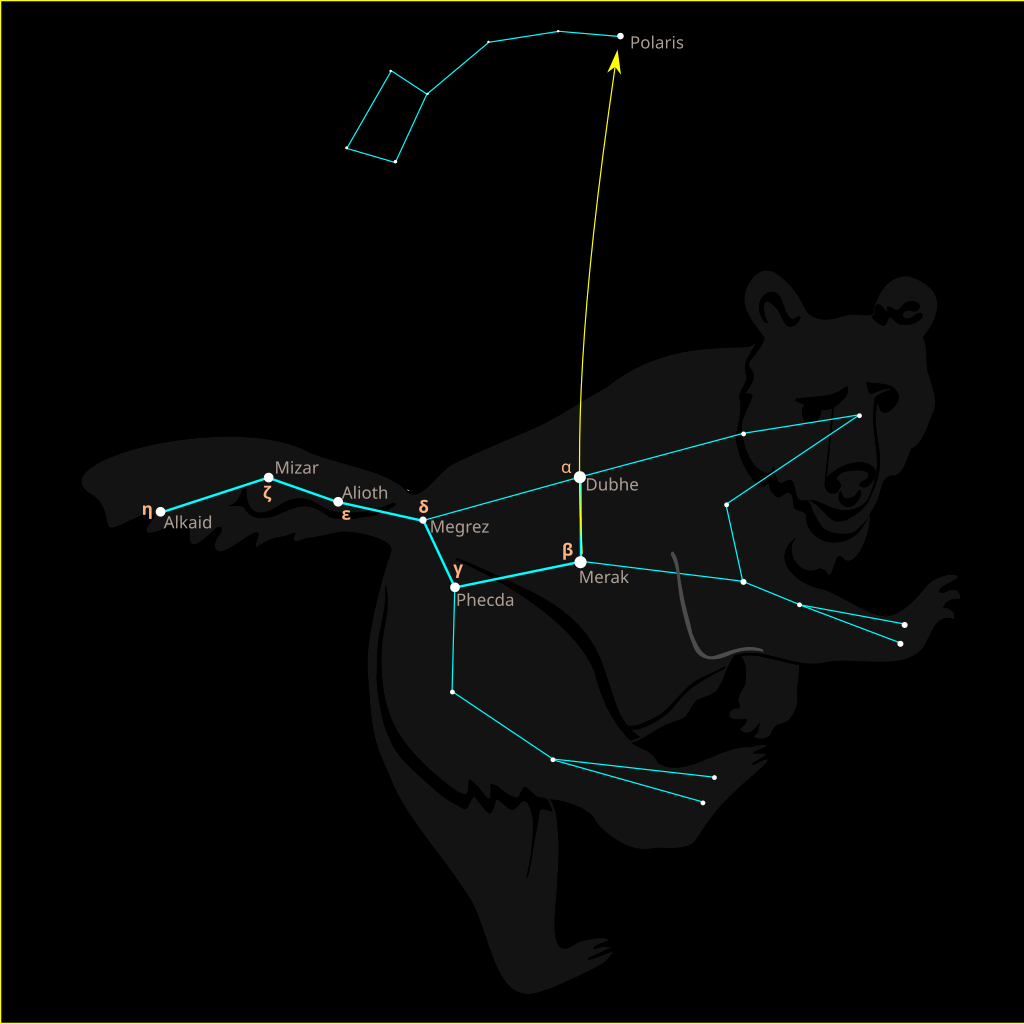
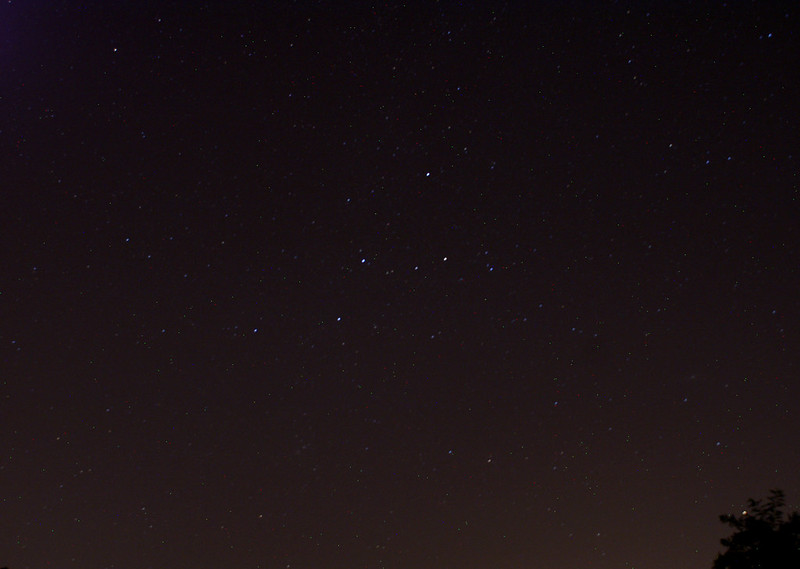
The aforementioned zigzag!
Look for Planets: Bright planets like Venus, Jupiter, and Saturn are often visible to the naked eye and can be spectacular to observe.
You can easily identify them by using star charts or mobile apps like SkySafari and Stellarium, which provide real-time maps of the night sky. Start by locating the brightest stars which are easily visible to the naked eye. For planets, look along the ecliptic path, the apparent path the Sun follows, where planets like Venus, Jupiter, and Saturn often shine brightly. Observing regularly and familiarizing yourself with the changing positions of these celestial objects will make identification easier over time.
3. Select an object that is special to you want to observe
Also add one special object to your list that you want to observe, like another galaxy or a nebula. Everyone has seen the moon, everyone has seen the stars. But have you ever seen the breeding place of new stars? Or another galaxy? Select something that is interesting to you personally to create your own highlight. The Orion Nebula (M42) is quite easy to spot as an example. It is located in the Orion constellation, below the “belt” of three stars. This is one of the brightest nebulae visible to the naked eye and can be seen as a fuzzy patch. Or search for the Andromeda Galaxy (M31) It is located in the Andromeda constellation, near the Great Square of Pegasus. It can appear somewhat nebulous, especially under darker skies. But you can see it all, the whole universe will be in your eyes.
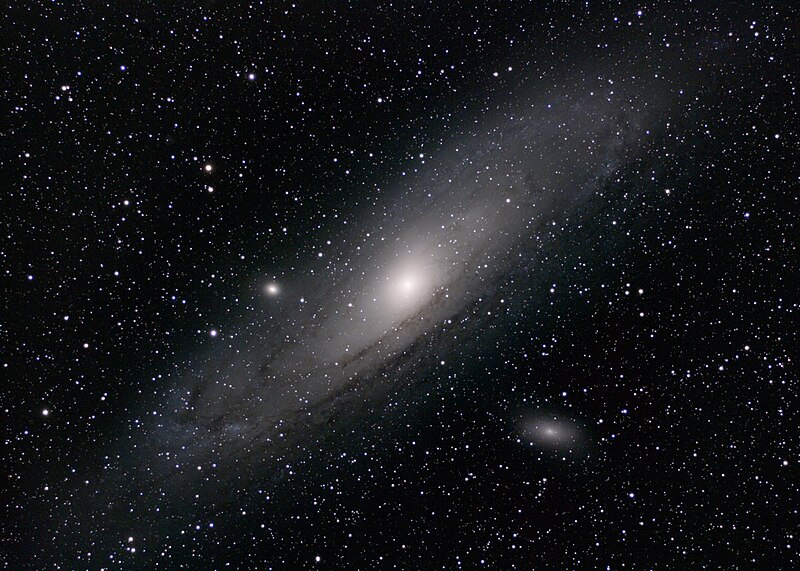
The Andromeda Galaxy
4. Use binoculars before a telescope
The temptation to buy a telescope is always there, lingering in the sky and waiting for you to spend your money. BUT! A good pair of binoculars can be a great introduction to stargazing. They are easier to use than telescopes and can reveal craters on the Moon, the moons of Jupiter, some planets, amazing nebulae and much more.
Stabilize your view when you use them. Use a tripod or rest your elbows on a stable surface.
5. Record your observations
Keep a Journal: Documenting what you see, including the date, time, weather conditions, and objects observed, can help you track your progress and remember your observations.
An even more enjoyable method is sketching what you see. This can also help improve your observational skills and provide a visual record. Additionally, you create physical memories. It can be a bit tricky to sketch with no light, so you might take your sketchbook out on a full moon. If you are artistic, you can even turn your sketches into paintings – going out with a friend and putting these moments onto paper, you can later fill in the scenery and atmosphere underneath a correct depiction of the sky in that very special night!
6. Learn about the seasons – and what is visible when
Depending on what time of the year you will look for the stars, the night sky might have offer different gems for you. The stars and constellations visible in the night sky change with the seasons. Learn what to expect each season to maximize your stargazing.
Different times of the year also offer spectacular meteor showers like the Perseids in August or the Geminids in December.
Therefore, it is best to also use a stargazing app such as Stellarium. When searching for specific objects, the app can tell you at what time and date it will be visible at your location.
7. Be patient and enjoy the experience
Give your eyes time to adjust: It takes about 20-30 minutes for your eyes to adapt to the dark. Avoid looking at bright lights, including your phone screen, to maintain your night vision.
Dress appropriately: Stargazing can require long periods of being still outdoors – and obviously in the night. Dress warmly and bring a blanket or chair for comfort. And bring some snacks and beverages. What sounds better than a thermos flask full of hot chocolate while watching the stars on a cool summer night?
Bring a red flashlight: Red light preserves your night vision better than white light, allowing you to read star charts or make notes without ruining your adapted eyesight.
Have fun!
 M16 Nebula
Leave a comment